

5 Beginners Tips To Transform Your website

Picture this: Your business is thriving. Clients rave about your service, and word-of-mouth is bringing in more clients every day. But when someone asks for your website, you feel a pang of embarrassment.
Your current site doesn’t capture your brand’s growth, nor does it reflect the success you’ve worked so hard to achieve. That’s when you know it’s time to partner with a web designer. With the right approach, this collaboration can turn your online presence into a key driver of growth.
Here’s how you can work with a web designer to create a website that reflects your brand’s success, aligns with your vision, and helps expand your customer base.
1. Know your audience
A successful website starts with understanding who you’re speaking to:
Who are your ideal clients?
What are their pain points, desires, and motivations?
And most importantly, what problem are you solving for them?
If these answers aren’t crystal clear, your website will miss the mark. You’ll end up with a site that confuses visitors instead of drawing them in.

When people land on your website, they should immediately feel understood. They should see themselves in your messaging and feel like your service is the solution they’ve been searching for.
Use imagery, language that connects, and calls-to-action that resonate with that audience. If your site speaks directly to your audience’s needs, they’ll be more likely to stay, explore, and ultimately make a purchase.
2. Visual inspiration
What is the vision for your brand? This is where the design process begins to take shape. Visual inspiration helps align your ideas with your designer’s creative direction. Even if you don’t have a fully formed vision, sharing your preferences can provide a strong starting point.
Think about:
Colors: Are you drawn to bold, vibrant colors or soft, neutral tones?
Typography: Do you prefer clean, modern fonts or something more playful and unique?
Imagery: Will you be relying on stock photography or do you have your own professionally shot photos?
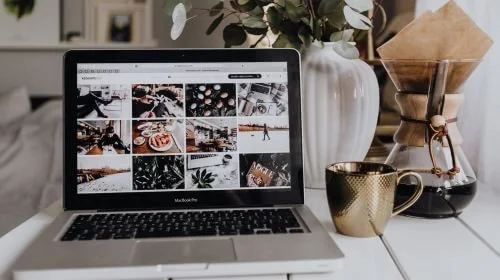
Don't worry if you're not sure about this as it's your designer’s job to steer the visual direction. At Certainly Nat, for example, we take a deep dive into your brand’s personality during the initial phases of our web design process. We work to capture not only your business’s current identity but the aspirational goals you have for your future.
Pro Tip: Create a Pinterest board with website examples, color palettes, or styles you like. This visual reference can be incredibly helpful during early discussions.
3. Provide Constructive Feedback
The design process is a collaborative journey, and your feedback is a vital part of it.
However, not all feedback is created equal. To ensure your feedback leads to productive revisions, be as specific as possible.

For example, instead of saying, “I don’t like this,” you could say:
“Could we explore a softer color palette to align with our welcoming brand?”
“I’d like the homepage to highlight our customer testimonials more prominently.”
Constructive feedback isn’t about criticism—it’s about providing the designer with actionable insights that align the design closer to your vision. Remember, your designer is not a mind-reader. The more detailed you are, the easier it is for them to bring your ideas to life.
And always deliver your feedback in a timely manner. Delayed responses can slow down the project and lead to frustration on both sides.
4. Trust the Designer's Expertise

Your vision and goals are critical, but so is trusting the expertise of your web designer. Designers bring valuable experience in areas like:
User Experience (UX): Creating a site that’s intuitive and easy to navigate.
Accessibility: Ensuring the site is usable for all visitors, including those with disabilities.
Design Trends: Keeping the site modern and relevant while ensuring longevity.
For instance, you may want a homepage packed with information, but your designer may recommend a cleaner, more minimalistic layout to avoid overwhelming visitors. These decisions are grounded in their understanding of best practices.
Collaboration works best when there’s mutual trust and respect. Your input shapes the vision, but your designer’s expertise refines it into a polished, professional site that achieves your goals.
5. Communicate Your Vision Clearly
Effective communication is the cornerstone of a successful collaboration. Share your ideas, preferences, and any design inspirations. The more information you provide, the better your web designer can bring your vision to life.

The more transparent you are, the better your web designer can tailor their work to meet your needs. At Certainly Nat, we set aside regular check-ins throughout the project to review progress, provide updates, and address any questions. These touchpoints keep everyone aligned and ensure the project stays on track.
How Certainly Nat Can Help
We understand the challenges small business owners face when it comes to building a website that truly reflects their brand’s success. We specialize in translating your goals into a stunning online presence that engages your audience and drives growth.
Our process is designed to make the experience stress-free and collaborative, so you can focus on running your business while we bring your vision to life. Whether you need a complete site redesign or a fresh start, we’re here to help.
Final Thoughts
Your website is more than just an online address—it’s a digital representation of your success and growth. By defining your goals, understanding your audience, communicating clearly, providing thoughtful feedback, and trusting your designer’s expertise, you can create a site that not only reflects your brand’s achievements but also supports future growth.
Are you ready to take the next step and transform your website into a powerful tool for your business?
About Your Blogger, Certainly Nat
I know how overwhelming a website redesign can feel. That’s why I tell your Brand Story using Squarespace so you have a website that reflect your brand’s success while keeping the process smooth and stress-free. With a clear, streamlined design process, I’ll help you build a stunning site that looks great and drives business growth.